

Crochet techniques
Crochet techniques are methods of construction rather than individual stitches. Tunisian crochet holds many loops on a long hook, tapestry crochet carries a second colour inside the stitches, corner-to-corner builds diagonal blocks, and amigurumi works tight spirals of single crochet to make stuffed shapes.
By the crochetpatterns.io editorial team · Reviewed · Editorial policy
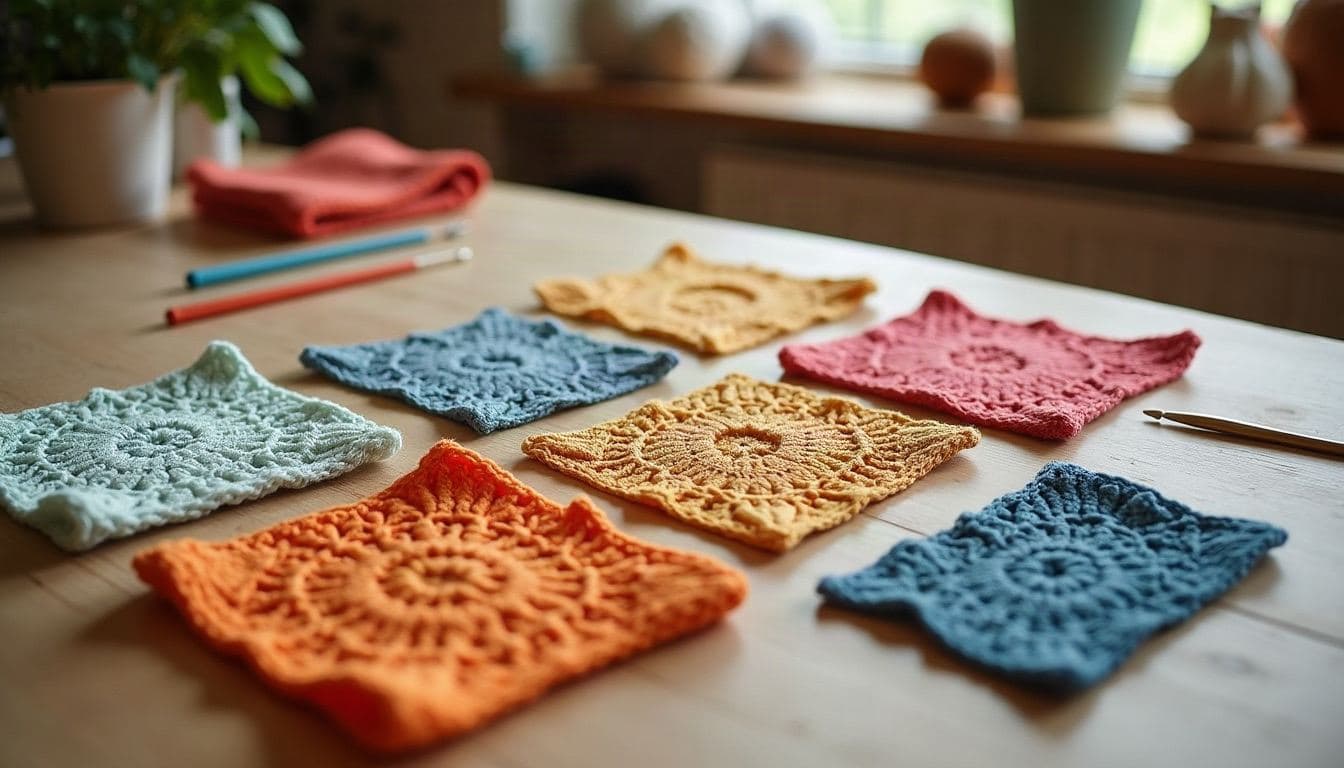
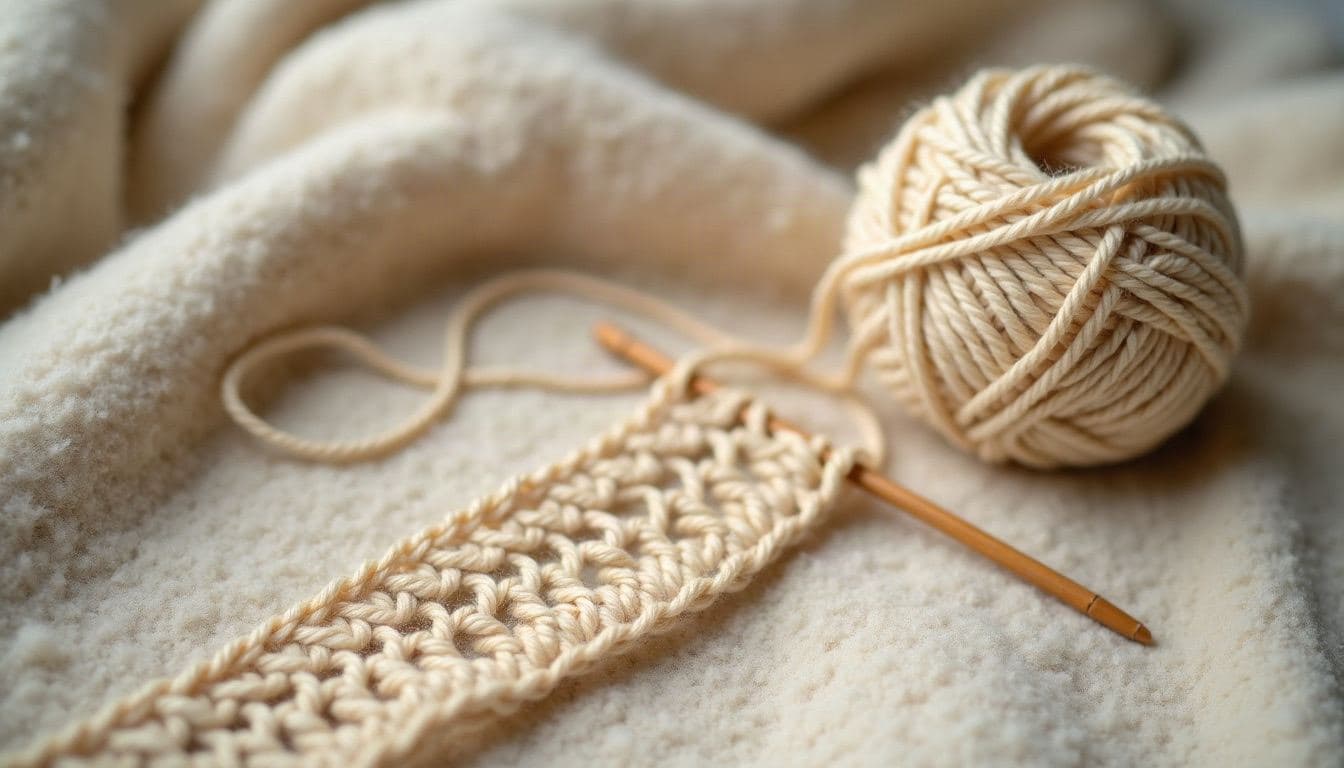
Tunisian Crochet
Tunisian crochet is a technique where loops are picked up across the row and kept on a long hook, then worked off in a return pass.
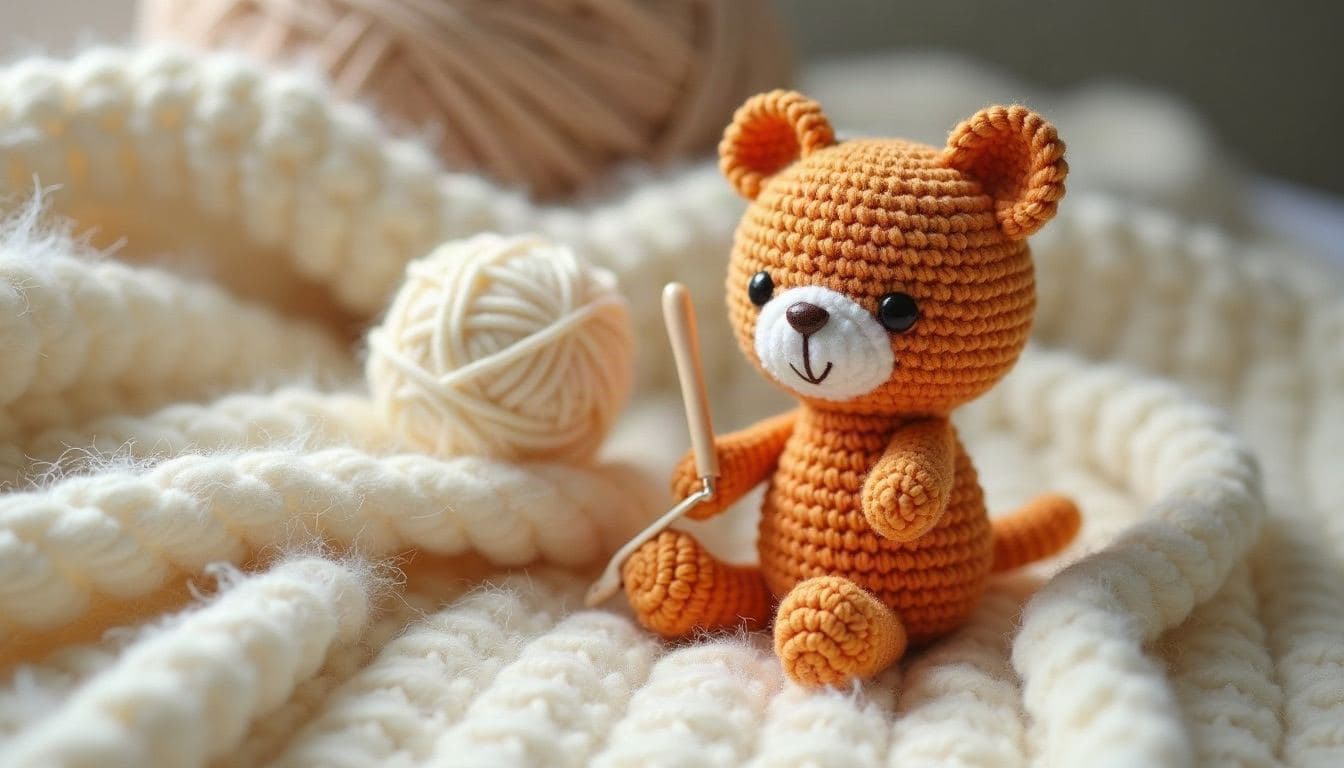
Amigurumi
Amigurumi is the Japanese art of crocheting small stuffed figures such as animals, dolls and food.
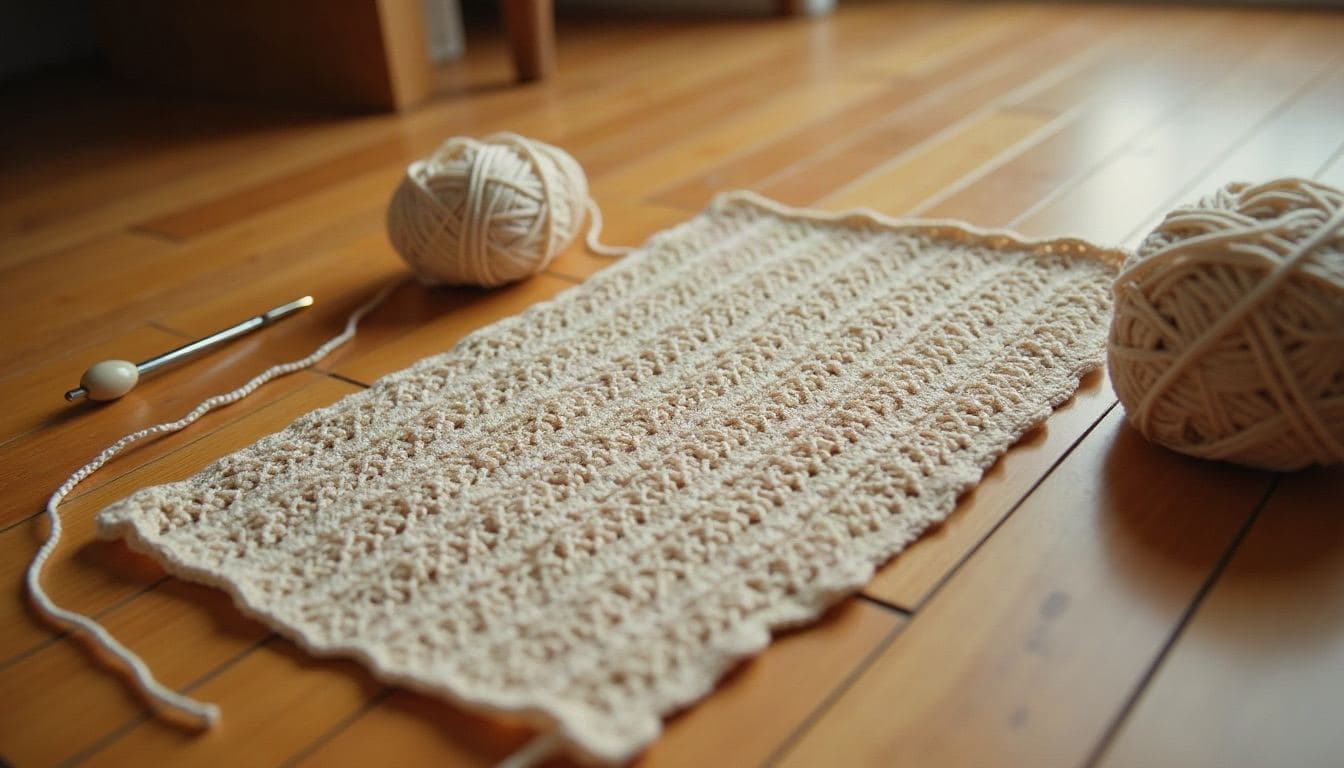
Filet Crochet
Filet crochet creates pictures and lettering on a mesh grid by filling some squares with double crochet and leaving others open.
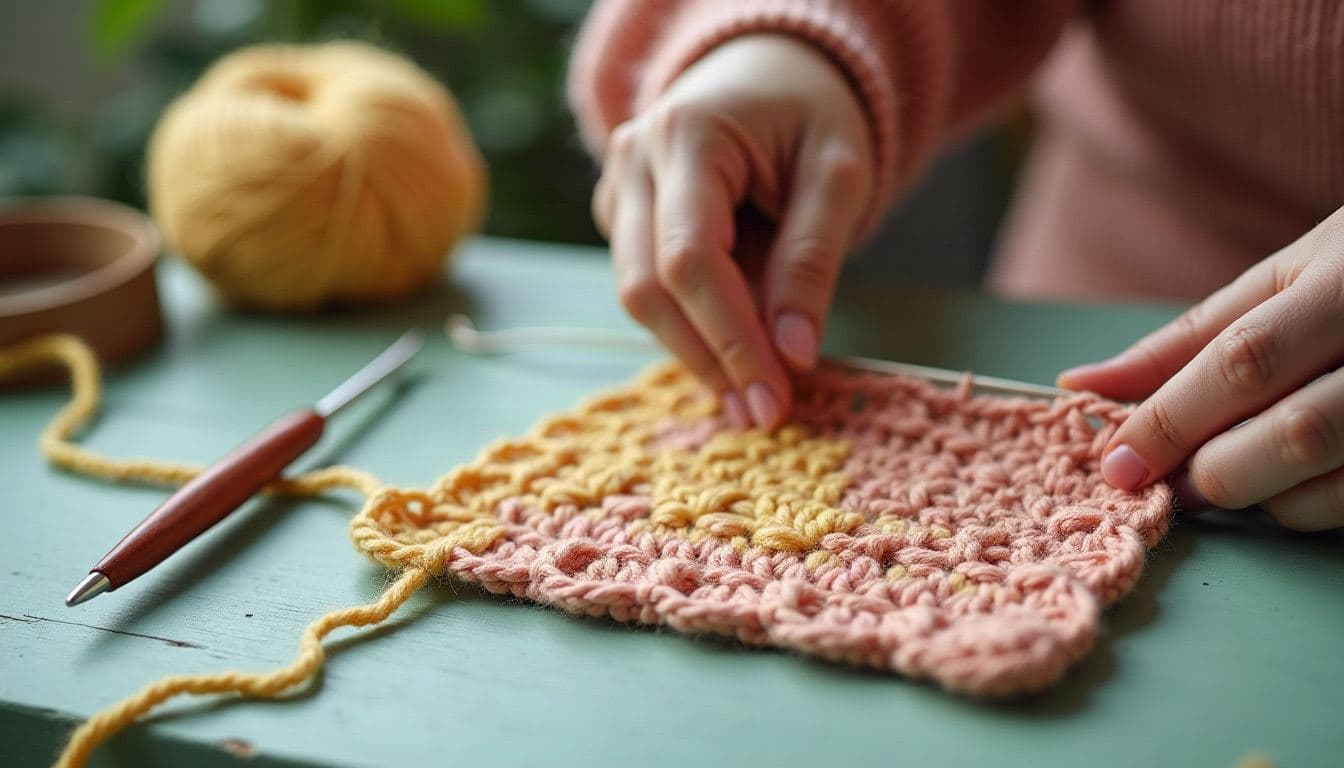
Tapestry Crochet
Tapestry crochet is a colourwork technique that carries unused yarn colours inside the stitches while working with the active colour.
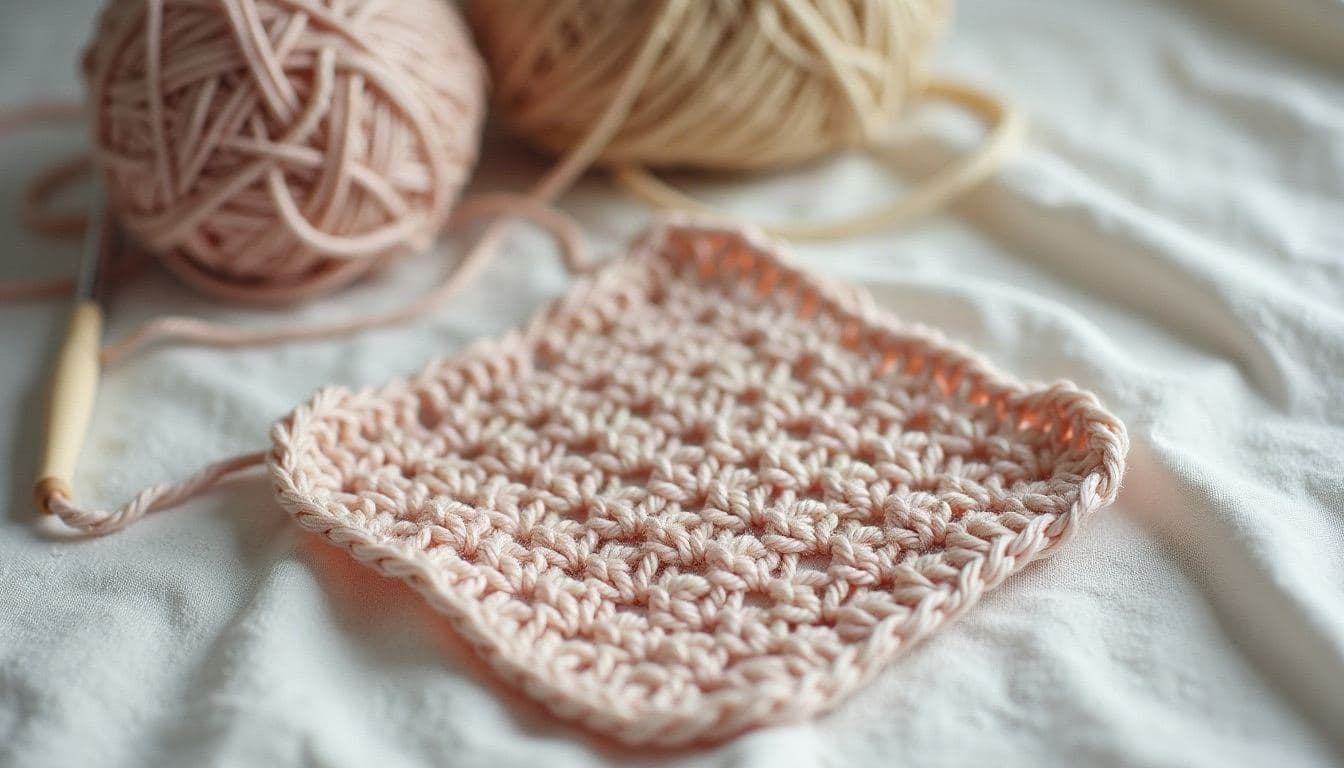
Mosaic Crochet
Mosaic crochet, also called mosaic or overlay crochet, creates geometric colourwork using only one colour per row.
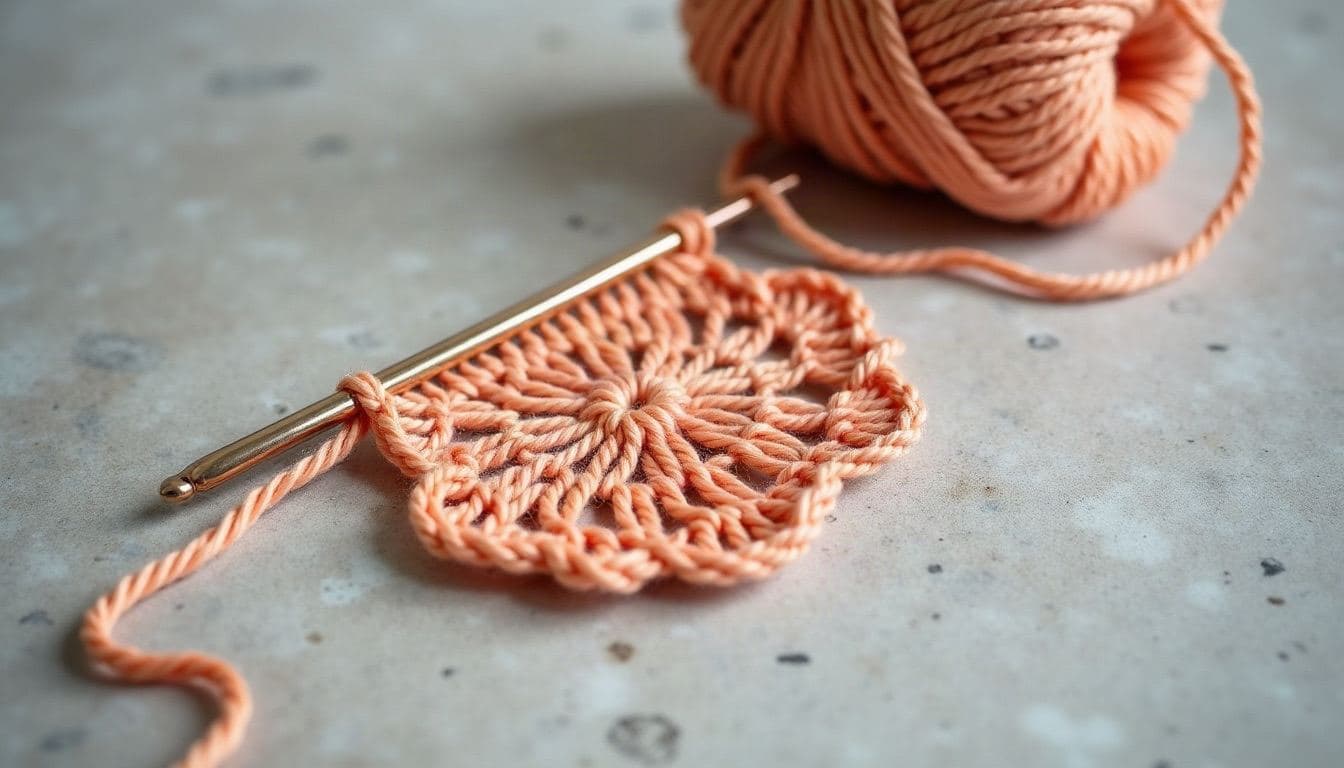
Join As You Go
Join as you go is a crochet technique that attaches motifs such as granny squares while working the final round of each new square.
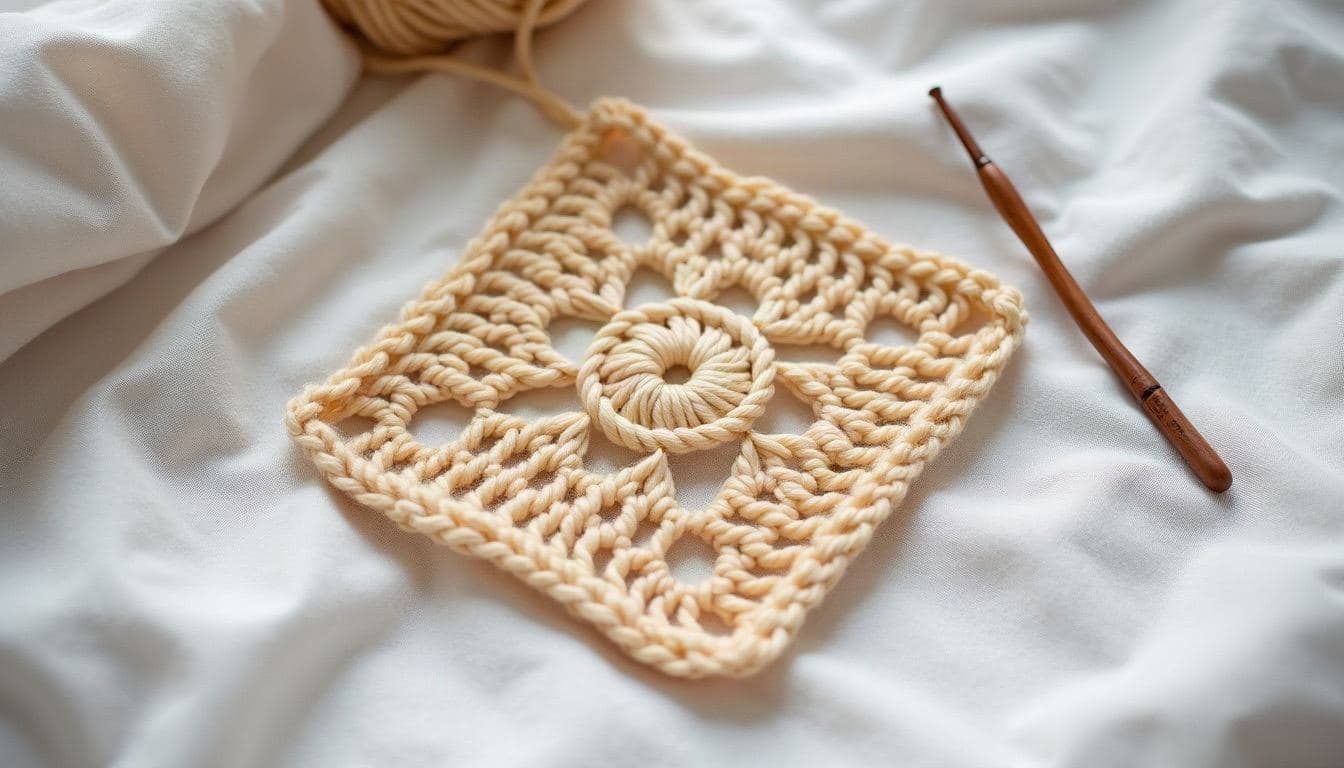
Corner-to-Corner (C2C) Crochet
Corner-to-corner crochet, or C2C, builds a square or rectangle diagonally from one corner using small tiles of chains and double crochet.
Crochet in the Round
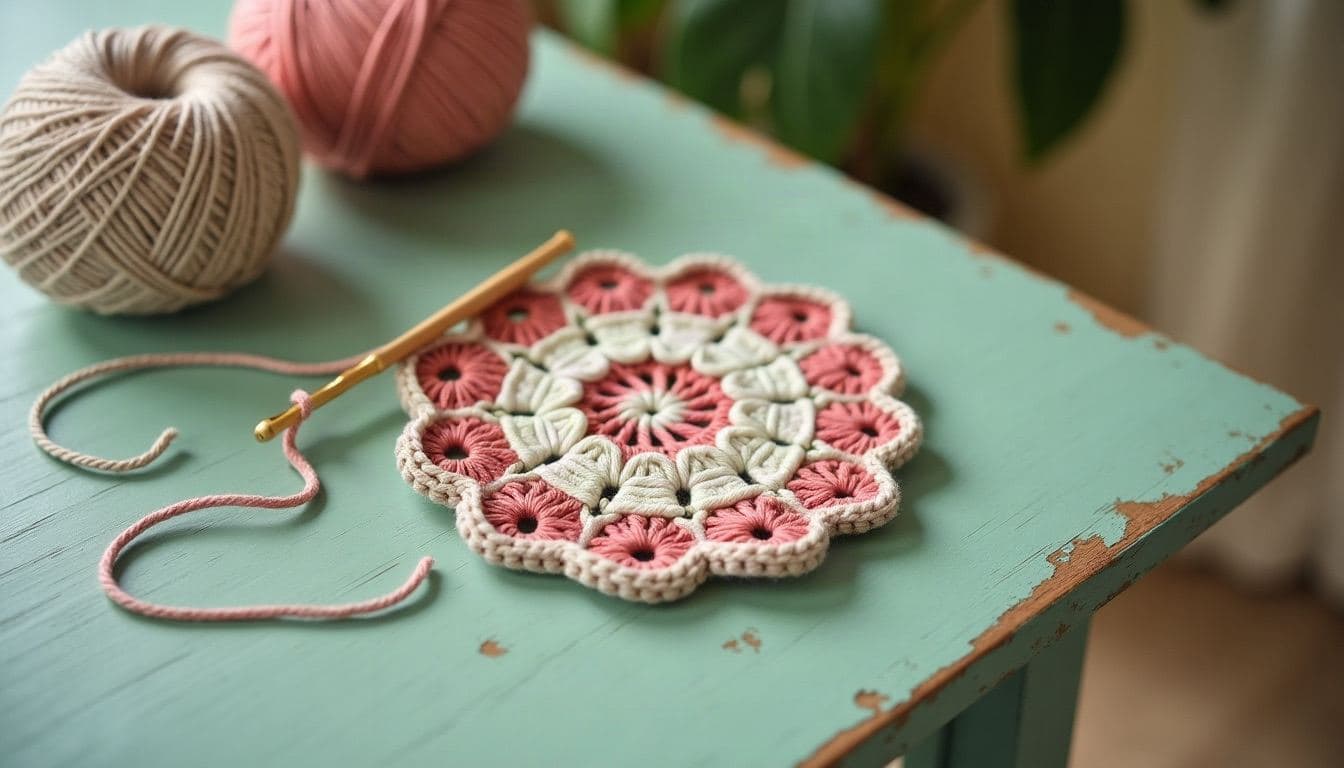
Crocheting in the round means working stitches in circles or tubes instead of flat rows.
Crochet Colourwork
Crochet colourwork is any technique that places multiple yarn colours in one fabric, including stripes, tapestry, mosaic, intarsia and C2C graphs.
Overlay Crochet
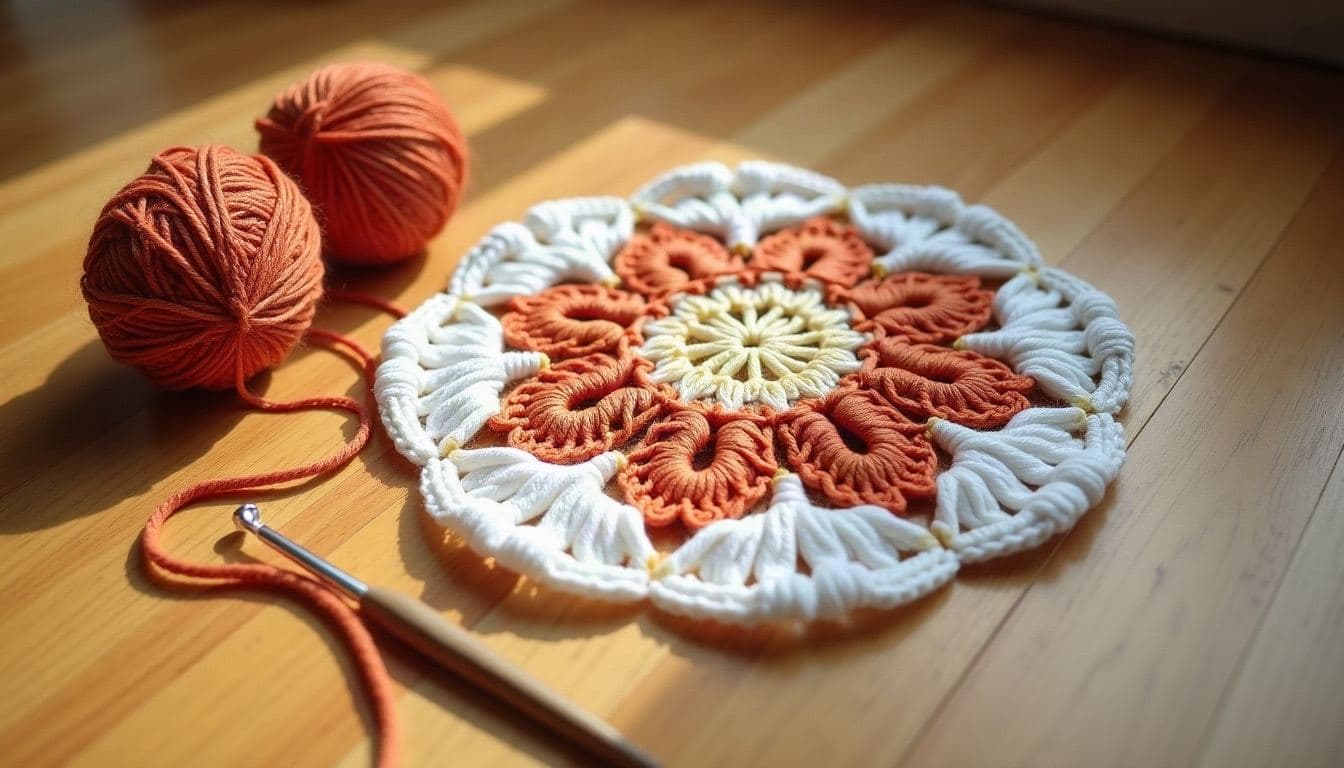
Overlay crochet is a raised colourwork technique where stitches are worked over the top of previous rows, usually with long double crochets reaching two rows below.
Surface Crochet
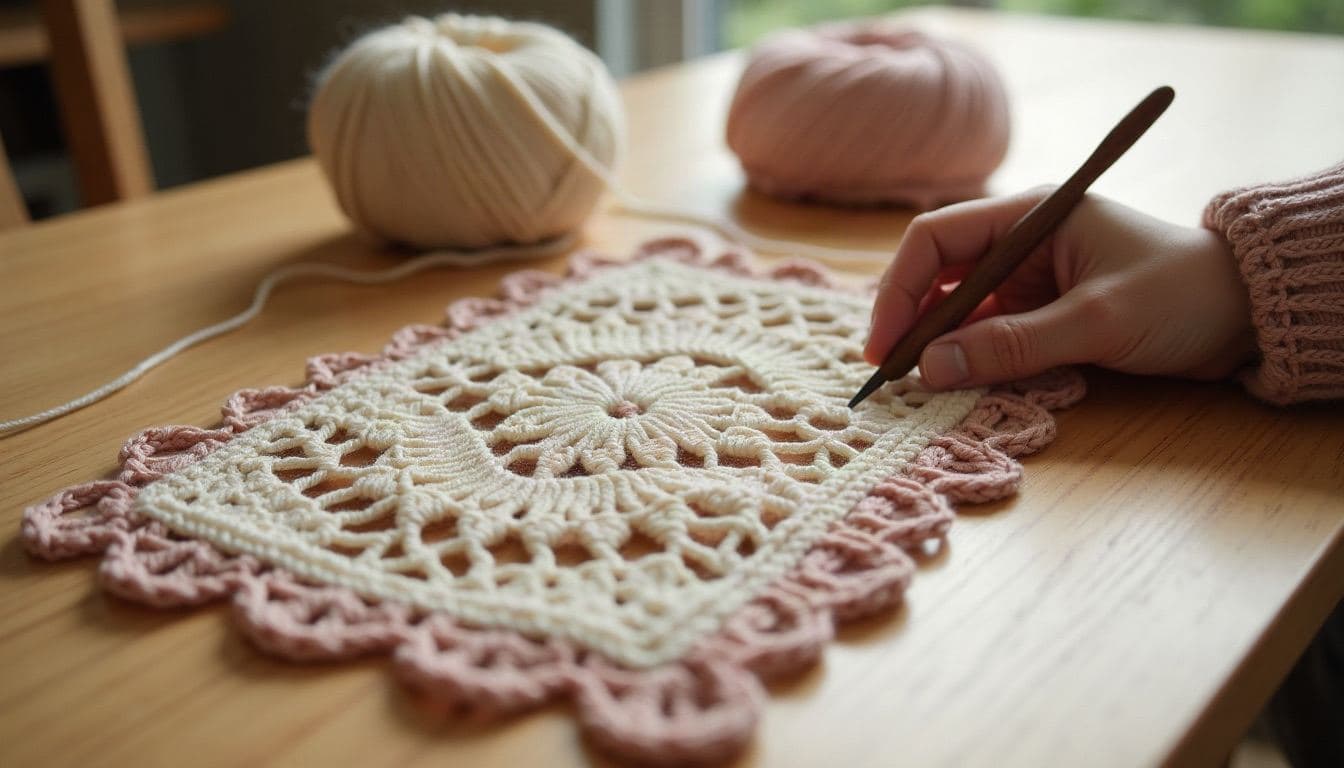
Surface crochet adds lines of slip stitches on top of a finished crochet or knitted fabric, like drawing with yarn.
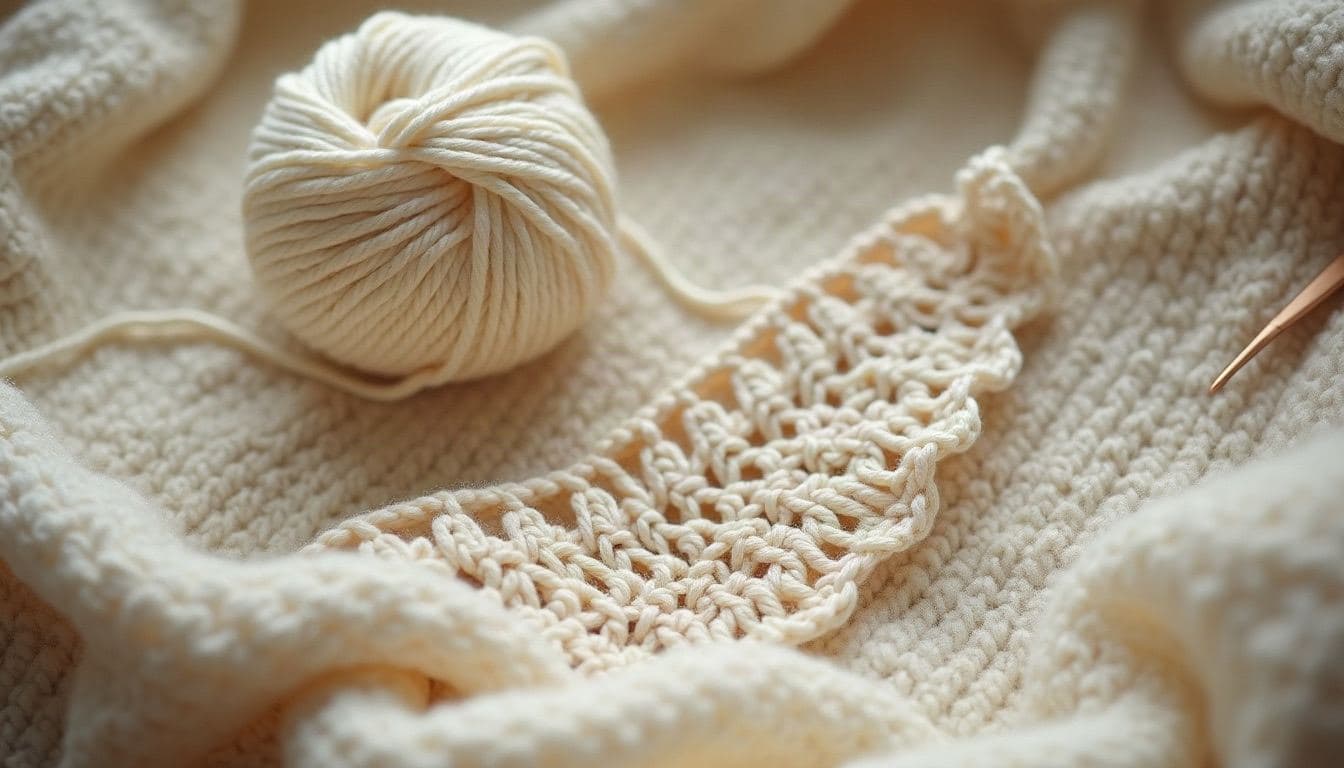
Irish Crochet Lace
Irish crochet lace is a traditional lace made by crocheting separate motifs such as roses, leaves and shamrocks, then joining them with a mesh of chains and picots.
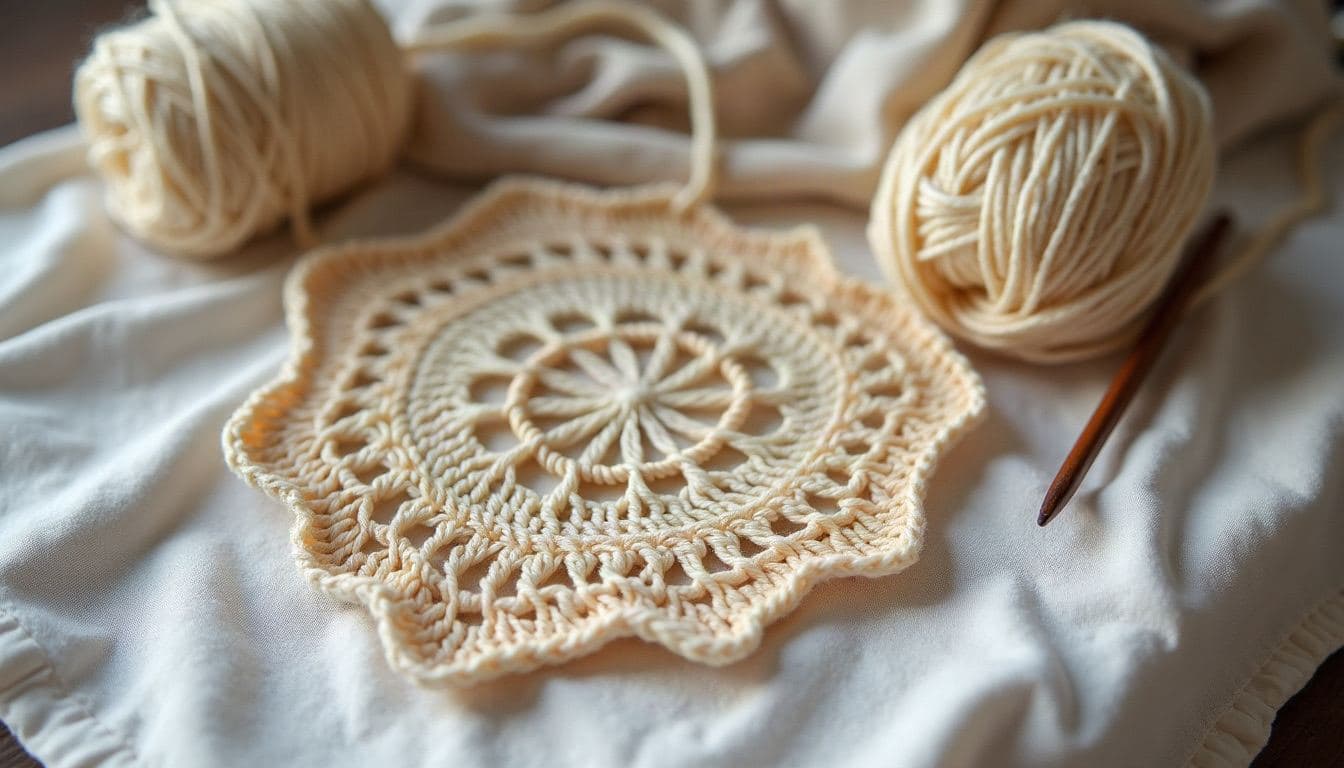
Broomstick Lace
Broomstick lace is a crochet technique that pulls long loops onto a large knitting needle or dowel, then gathers groups of loops together with single crochet.
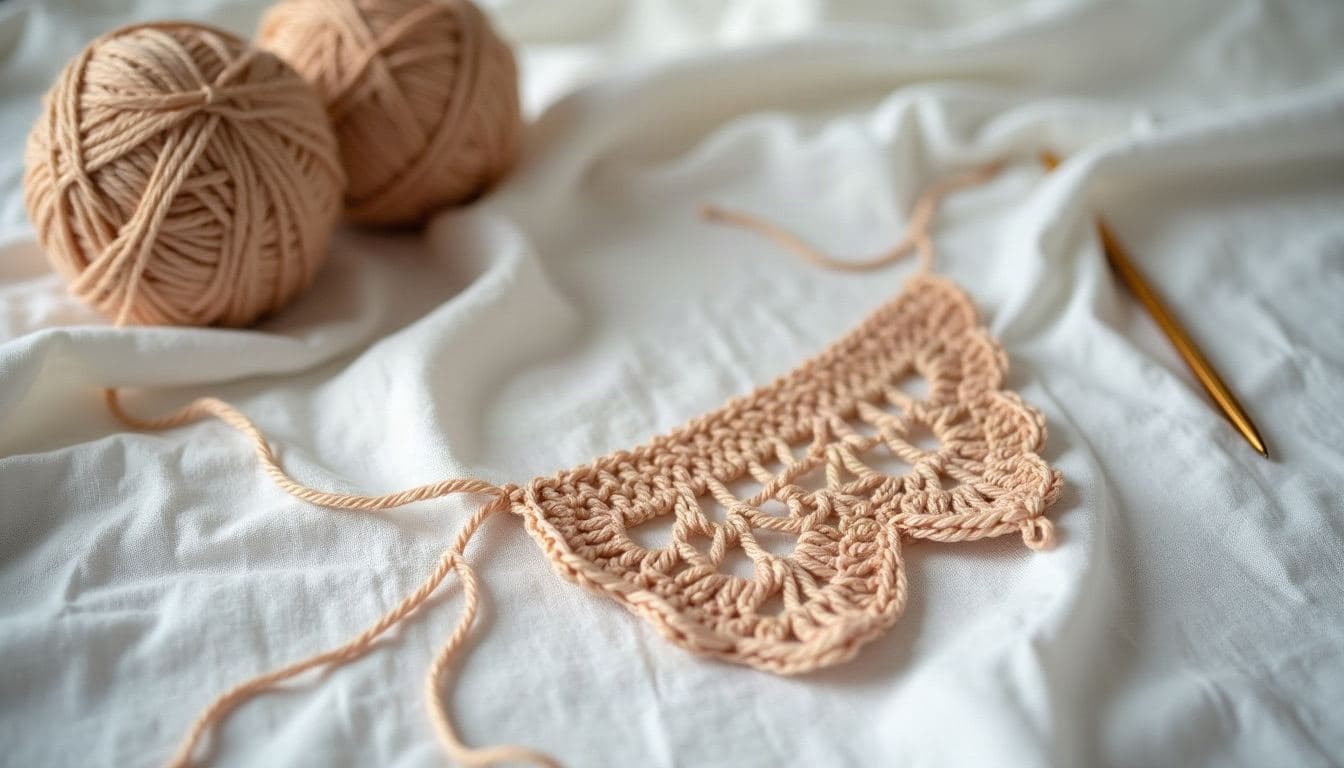
Hairpin Lace
Hairpin lace is a crochet technique that makes strips of lace on a U-shaped loom with two parallel prongs.
Which crochet technique should you learn after the basics?
Working in the round is the best technique to learn after the basic stitches, because hats, granny squares, baskets and amigurumi all depend on it. Corner-to-corner and tapestry crochet are good next steps for colourwork.
How are crochet techniques different from stitches?
A stitch is a single movement of the hook, while a technique is a way of building fabric. Tunisian crochet keeps a row of loops on a long hook and works them off on the return pass, producing a dense, woven-looking fabric. Tapestry and mosaic crochet create colour patterns by carrying or dropping yarn, corner-to-corner builds diagonal blocks that turn into pixel pictures, and filet crochet uses open and filled mesh squares to draw images.
Construction techniques such as working in the round, join-as-you-go and amigurumi decide how pieces are shaped and assembled. Each guide lists the skills you need first, step-by-step instructions to get started and patterns to practise on.
Frequently asked questions
Is Tunisian crochet harder than regular crochet?
Tunisian crochet uses different movements but only a few stitches, so many crocheters find it quick to learn. It needs a long Tunisian hook.