

Crochet yarn guide
Crochet yarn is classified by weight, also called yarn thickness or wool weight, from 0 (lace) to 7 (jumbo), and the weight decides which hook size and how many stitches per inch a pattern uses. Medium weight #4 yarn with a 5–6 mm hook is the most common choice. Fibre then decides drape, warmth, washability and stitch definition.
By the crochetpatterns.io editorial team · Reviewed · Editorial policy
1.6–1.4 mm steel; up to 2.25 mm regular
Lace (#0)
Fingering 10-count crochet thread, Cobweb, Light fingering
2.25–3.5 mm
Super Fine (#1)
Sock, Fingering, Baby
3.5–4.5 mm
Fine (#2)
Sport, Baby, 4-ply (UK/AU, approximate)
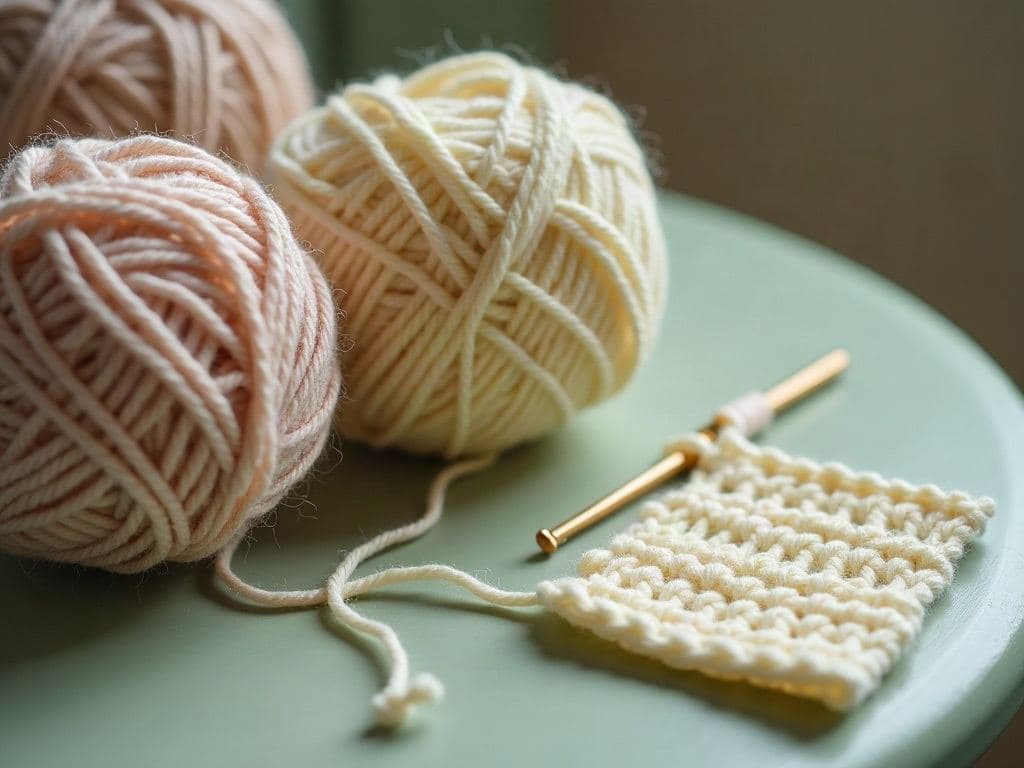
4.5–5.5 mm
Light (#3)
DK, Double knitting, Light worsted, 8-ply (AU/NZ)
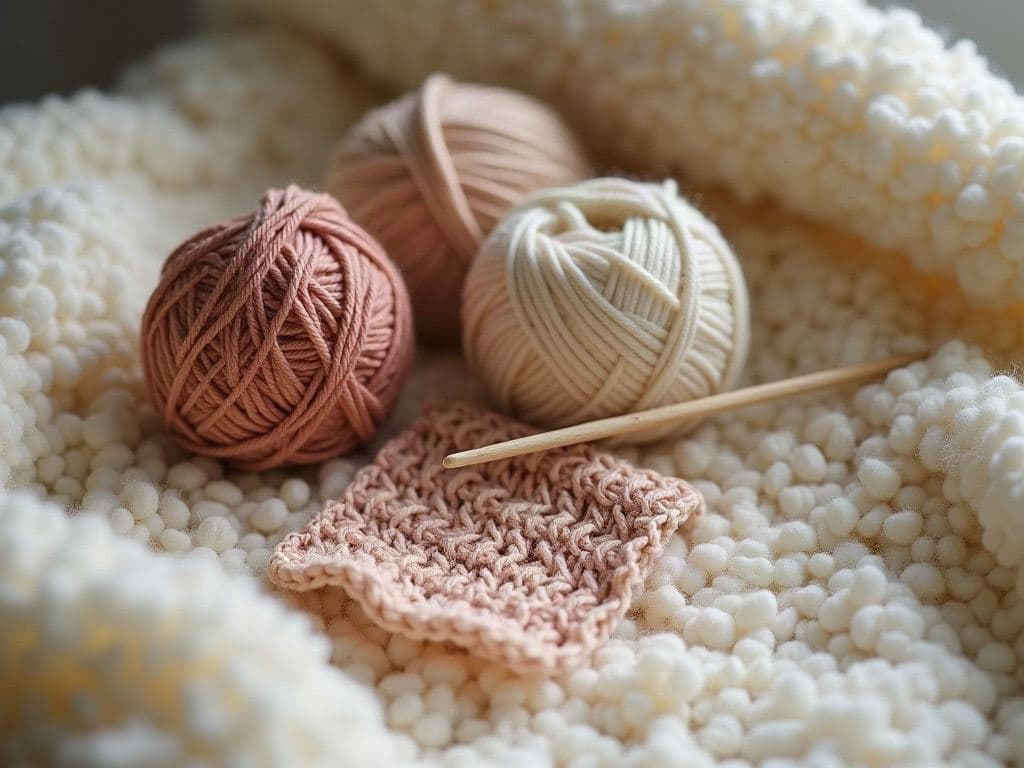
5.5–6.5 mm
Medium (#4)
Worsted, Afghan, Aran, 10-ply (AU/NZ)
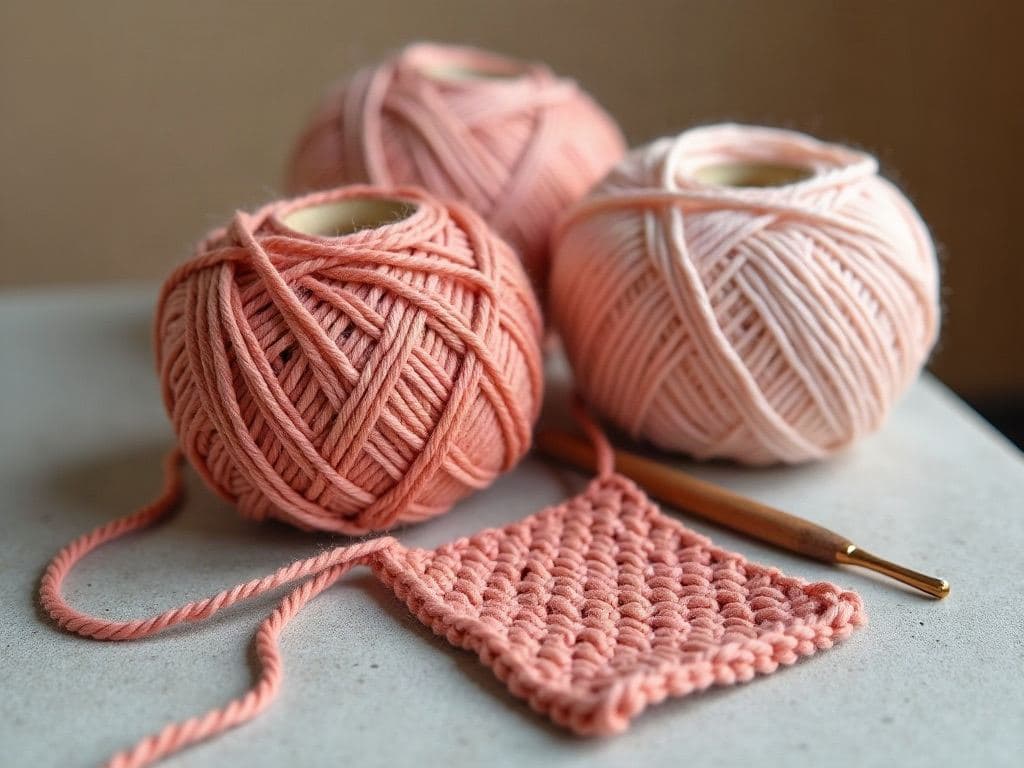
6.5–9 mm
Bulky (#5)
Chunky, Craft, Rug, 12-ply (AU/NZ)
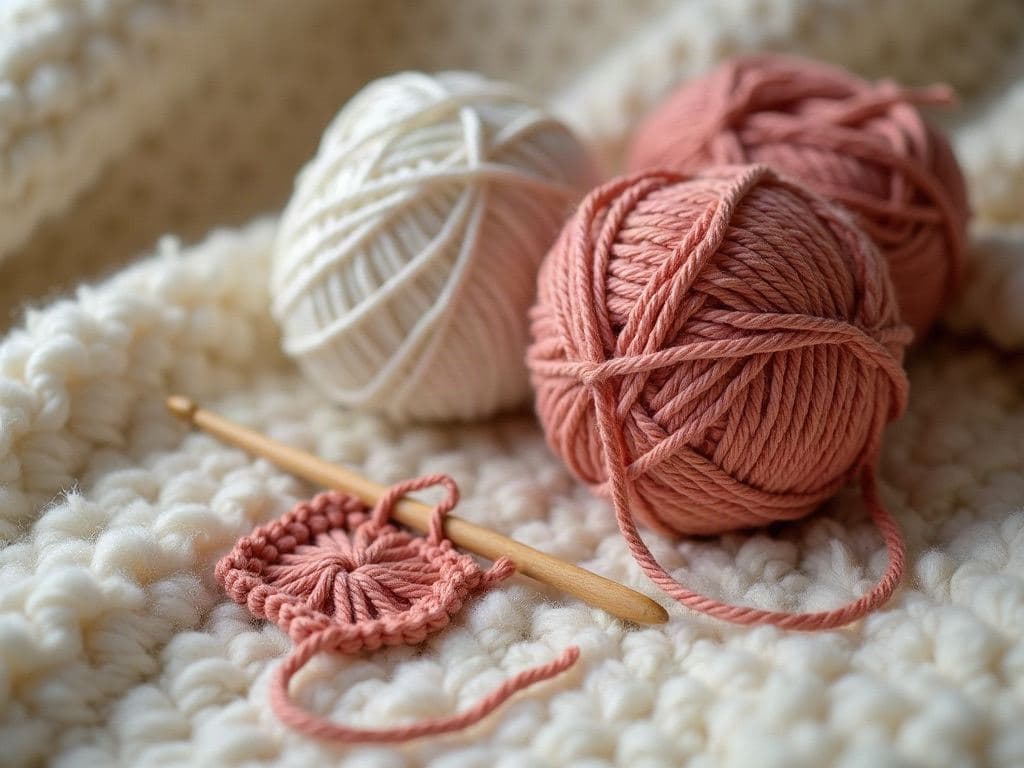
9–15 mm
Super Bulky (#6)
Super chunky, Roving, 14-ply (AU/NZ, approximate)
15 mm and larger
Jumbo (#7)
Jumbo, Roving, Chenille jumbo
| Weight | Also called | Crochet gauge (4 in) | Hook (mm) | Hook (US) |
|---|---|---|---|---|
| #0 Lace | Fingering 10-count crochet thread, Cobweb, Light fingering | 32–42 dc per 4 in / 10 cm | 1.6–1.4 mm steel; up to 2.25 mm regular | Steel 6, 7, 8; regular B-1 |
| #1 Super Fine | Sock, Fingering, Baby | 21–32 sc per 4 in / 10 cm | 2.25–3.5 mm | B-1 to E-4 |
| #2 Fine | Sport, Baby, 4-ply (UK/AU, approximate) | 16–20 sc per 4 in / 10 cm | 3.5–4.5 mm | E-4 to 7 |
| #3 Light | DK, Double knitting, Light worsted, 8-ply (AU/NZ) | 12–17 sc per 4 in / 10 cm | 4.5–5.5 mm | 7 to I-9 |
| #4 Medium | Worsted, Afghan, Aran, 10-ply (AU/NZ) | 11–14 sc per 4 in / 10 cm | 5.5–6.5 mm | I-9 to K-10½ |
| #5 Bulky | Chunky, Craft, Rug, 12-ply (AU/NZ) | 8–11 sc per 4 in / 10 cm | 6.5–9 mm | K-10½ to M-13 |
| #6 Super Bulky | Super chunky, Roving, 14-ply (AU/NZ, approximate) | 7–9 sc per 4 in / 10 cm | 9–15 mm | M-13 to Q |
| #7 Jumbo | Jumbo, Roving, Chenille jumbo | 6 sc or fewer per 4 in / 10 cm | 15 mm and larger | Q and larger |
Yarn fibres
- CottonBest for dishcloths, coasters
- AcrylicBest for blankets, beginner practice
- WoolBest for sweaters, hats
- MerinoBest for garments, baby items
- BambooBest for summer tops, drapey shawls
- ChenilleBest for plush amigurumi, baby blankets
- VelvetBest for blankets, pillows
- BlendsBest for everyday garments, blankets
What is the best yarn for crochet beginners?
The best yarn for crochet beginners is a smooth, light-coloured, medium weight (#4) acrylic or cotton. Smooth yarn does not split around the hook, and a light colour makes each stitch visible.
Cotton holds its shape well for dishcloths and bags; acrylic is soft, cheap and machine washable for blankets and hats.
How do you choose yarn for a crochet project?
Pick the yarn weight first, because it sets the stitch size, hook size and finished dimensions a pattern expects; substituting a different weight changes both the size and the yardage. Then choose the fibre for how the item will be used: cotton for dishcloths, bags and summer tops that need structure and washability; acrylic for affordable, machine-washable blankets and toys; wool and merino for warm hats and garments; bamboo and blends for drape; chenille and velvet for plush blankets.
Check the ball band for yards per skein, the recommended hook and washing instructions, and buy every skein from the same dye lot so colours match across the project.
Frequently asked questions
Can I use knitting yarn for crochet?
Yes. Yarn is not specific to knitting or crochet; use the yarn weight and the hook size recommendation on the label.