

Yarn fibre
Wool yarn for crochet
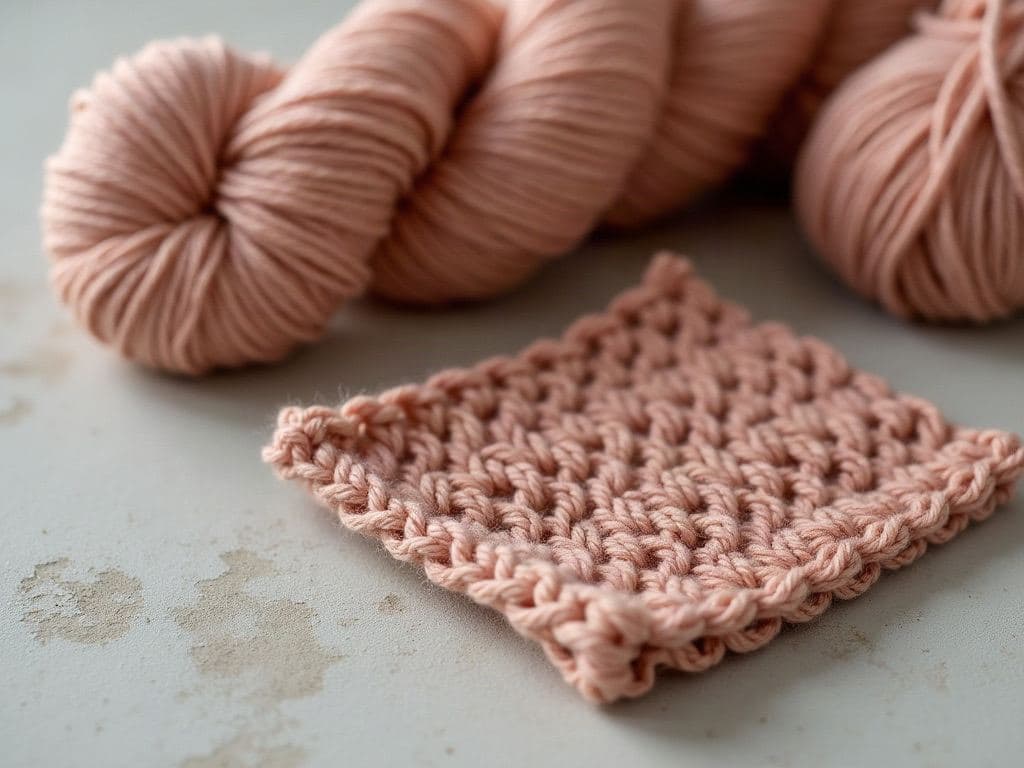
Wool yarn is an animal fiber from sheep that is warm, elastic and naturally moisture-wicking. Wool has memory, so crocheted wool blocks well and recovers its shape. Untreated wool felts in hot water with agitation, so crocheters hand wash it or choose superwash wool for machine-washable hats, sweaters and blankets.
By the crochetpatterns.io editorial team · Reviewed · Editorial policy
What are the pros and cons of wool yarn for crochet?
Wool yarn's main strengths are very warm; elastic with good shape recovery; blocks beautifully; breathable and moisture-wicking. The trade-offs are non-superwash wool felts in the wash; can feel itchy to some people; higher cost than acrylic.
| Pros | Cons |
|---|---|
| Very warm | Non-superwash wool felts in the wash |
| Elastic with good shape recovery | Can feel itchy to some people |
| Blocks beautifully | Higher cost than acrylic |
| Breathable and moisture-wicking |
What should you crochet with wool yarn?
Wool works best for sweaters, hats, mittens, felted bags, blocked shawls.
How does wool compare with other yarn fibres?
Each fibre suits different projects. The table below lists what each is best for so you can pick a substitute.
| Fibre | Best for |
|---|---|
| Wool | Sweaters, Hats, Mittens |
| Cotton | Dishcloths, Coasters, Market bags |
| Acrylic | Blankets, Beginner practice, Toys |
| Merino | Garments, Baby items, Cowls |
| Bamboo | Summer tops, Drapey shawls, Lightweight garments |
| Chenille | Plush amigurumi, Baby blankets, Chunky throws |
| Velvet | Blankets, Pillows, Soft toys |
| Blends | Everyday garments, Blankets, Baby items |